

The Role of Luck in Gambling
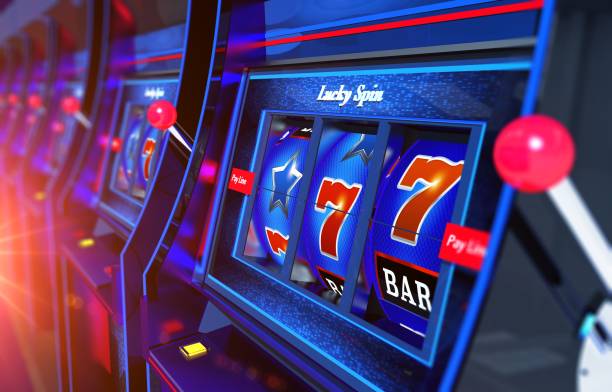
Luck is often perceived as a fundamental component of gambling, whether it involves spinning the reels of a slot machine or rolling dice at a craps table. Many players enter the gaming environment with the hope that fortune will favor them, often relying on superstition or personal rituals to enhance their perceived luck. This notion of luck can be both exhilarating and frustrating; while some players experience sudden windfalls, others find themselves on the losing end, questioning the fairness of the games they play. For those interested in trying their luck, online pokies can provide a variety of thrilling experiences that keep players engaged. The excitement of winning can create an illusion that luck is an ever-present ally, but it is essential to recognize that luck operates within the confines of chance.
However, the concept of luck in gambling extends beyond mere chance. It intertwines with psychological factors, such as belief and expectation. Gamblers may feel luckier when they engage in certain behaviors, such as wearing a lucky charm or visiting a favorite venue, reinforcing the idea that personal agency can influence outcomes. This subjective experience is what keeps players coming back, even when the odds are statistically against them. The hope that luck will eventually turn in their favor can create a cycle of continuous play, often leading to both thrilling highs and disappointing lows.
Ultimately, while luck plays a significant role, it is essential to acknowledge that gambling outcomes are influenced by probability and randomness. Each game is designed with odds that favor the house in the long run, making sheer luck a temporary advantage rather than a reliable strategy. Understanding this balance is crucial for anyone looking to participate in gambling activities responsibly. Recognizing that luck is not the only factor can help players manage their expectations and approach gambling with a clearer mindset, enhancing their overall experience.
The House Edge and Its Impact on Gambling
The house edge is a critical concept in gambling that every player should understand. It represents the advantage that the casino has over the gambler, ensuring that the establishment remains profitable over time. Each game, from poker to roulette, is structured with built-in odds that tilt the game in favor of the house, rendering luck as a fleeting entity rather than a stable source of success. For instance, in games like blackjack, while players can employ strategies to minimize losses, the house edge guarantees that the casino will always emerge victorious in the long run. This mathematical reality serves as a reminder that while players may experience moments of luck, these are often offset by the inherent advantage held by the house.
This mathematical reality highlights the importance of understanding how luck interacts with skill and strategy. Players may experience moments of luck that lead to big wins, but these instances are often balanced out by losses over time. Knowledgeable players can enhance their chances of winning by employing strategies and making informed decisions at the table, which can sometimes feel like a dance between luck and skill. The more a player understands the games they are involved in, the better equipped they are to navigate the complex interplay between luck, skill, and the house edge.
Moreover, recognizing the presence of the house edge encourages responsible gambling practices. Players who understand that luck is not the sole determinant of their fate may be more inclined to set limits on their spending and approach gambling with a balanced mindset. The integration of luck with probability underscores the need for a cautious and informed approach to gambling, ensuring that players can enjoy the entertainment without falling into the trap of over-reliance on luck. By keeping these concepts in mind, players can create a more enjoyable and sustainable gambling experience.
Superstitions and Rituals in Gambling
Many gamblers engage in superstitions and rituals as a means of invoking luck during their gaming experiences. These practices can range from wearing specific clothing to following particular routines before placing bets. For example, a player may always sit in the same seat at a poker table or carry a «lucky» coin. Such behaviors reflect the human desire to control outcomes in an inherently unpredictable environment, providing a psychological comfort that may enhance the overall experience. This reliance on rituals highlights the profound psychological connection between players and their perception of luck.
Interestingly, studies have shown that superstitions can impact a player’s performance and decision-making. When individuals feel that they have a lucky charm or have performed a ritual, they may exhibit increased confidence, which can lead to better gameplay. This psychological boost, albeit not directly tied to luck itself, can play a pivotal role in one’s overall gambling experience. Additionally, the social aspect of gambling often encourages the sharing of superstitions among players, creating a community where beliefs about luck flourish. This communal reinforcement of superstitions can further entrench the idea that luck is an influential factor in gambling.
While these rituals and beliefs may not change the odds, they play a significant role in how players perceive their luck. As such, engaging in personal rituals can provide a sense of agency and enhance enjoyment, even if those activities do not affect the actual outcomes of the games. In this way, the intersection of superstition and chance feeds the narrative that luck is a real and influential factor in gambling, thereby keeping players invested in their gaming pursuits. This psychological interplay between belief and behavior can significantly shape the gambling experience.
The Psychology of Winning and Losing
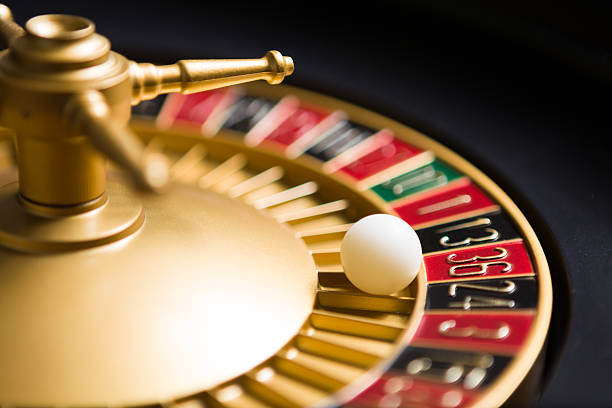
The psychological aspects of gambling are profound and significantly influence players’ experiences regarding luck. Winning can create a rush of adrenaline and excitement, reinforcing the belief that luck is on one’s side. This feeling often leads to the «gambler’s fallacy,» where individuals mistakenly believe that past outcomes will affect future results. For instance, a player who wins multiple times in succession may feel compelled to continue playing, convinced that their luck will persist, overlooking the inherent randomness of the games. This cognitive bias can lead players to make irrational decisions based on their perceived luck rather than the actual odds.
Conversely, experiencing losses can lead to frustration and desperation, propelling players to chase their losses in hopes that luck will eventually turn in their favor. This behavior can spiral into problematic gambling, where individuals continue to wager larger amounts in the hopes of regaining what they have lost. Understanding that gambling is primarily based on chance rather than a predictable cycle of winning and losing is crucial for maintaining a healthy relationship with gaming. Recognizing these psychological triggers allows players to make more informed decisions and avoid falling into the trap of emotional gambling.
Awareness of psychological triggers can empower players to make better decisions. Recognizing when emotions are influencing gambling choices allows individuals to step back and reassess their strategies. By fostering a balanced understanding of the psychological elements entwined with luck, players can approach gambling as a form of entertainment rather than a means of fortune-telling, thereby mitigating the risks associated with impulsive gambling behavior. This mindful approach can ultimately lead to a more enjoyable and responsible gambling experience.
Exploring Responsible Gambling and Awareness
As gambling evolves, the importance of promoting responsible gaming practices has become increasingly vital. Players must be educated about the role of luck and the risks associated with it, ensuring they approach their gambling activities with a clear understanding of both the potential for enjoyment and the possibility of loss. Responsible gambling involves recognizing the odds, setting limits, and treating the activity as a form of entertainment rather than a guaranteed way to make money. This awareness is crucial for fostering a healthy gambling environment for all participants.
Many gambling establishments and online platforms now champion responsible gambling initiatives, offering resources and tools to assist players in making informed choices. These measures include self-exclusion options, time limits, and access to educational materials about the nature of gambling and luck. By prioritizing awareness, players can enjoy their gaming experiences without succumbing to the pitfalls of expecting luck to always be on their side. This proactive approach fosters a culture where players can engage in gambling activities responsibly and with a clear understanding of the risks involved.
Ultimately, fostering a culture of responsible gambling is crucial for ensuring that individuals view games of chance as they are intended. It is essential to enjoy the thrill of the game, savor the moments of luck while remaining vigilant about the inherent risks. By cultivating a responsible approach, players can strike a balance between the excitement of potential wins and the reality of gambling’s unpredictable nature. This balance is key to ensuring that gambling remains a fun and entertaining pastime rather than a source of stress or financial hardship.